- SD-WAN
- Network Basics
- Routing Technologies
Beyond the Basics: The Evolution of Enterprise Routing and Modern Network Intelligence
By Pivithuru Milan Perera3 min read
At its core, a router has always had a straightforward job: look at an IP address, check a routing table, and forward packets toward their destination. In the early days of networking, static routing or basic dynamic protocols were enough to keep business data moving.
But as enterprise environments have become more distributed, a traditional router that blindly forwards traffic based purely on destination IPs is no longer sufficient. Today, routing must be application-aware, highly resilient, and intrinsically secure.
For a modern network engineer, understanding a router isn't just about knowing how to configure OSPF or BGP, it’s about leveraging advanced features that turn routers into intelligent edge nodes.
The Modern Bottleneck of Traditional Routing
Historically, WAN architecture relied heavily on hub-and-spoke models where all remote
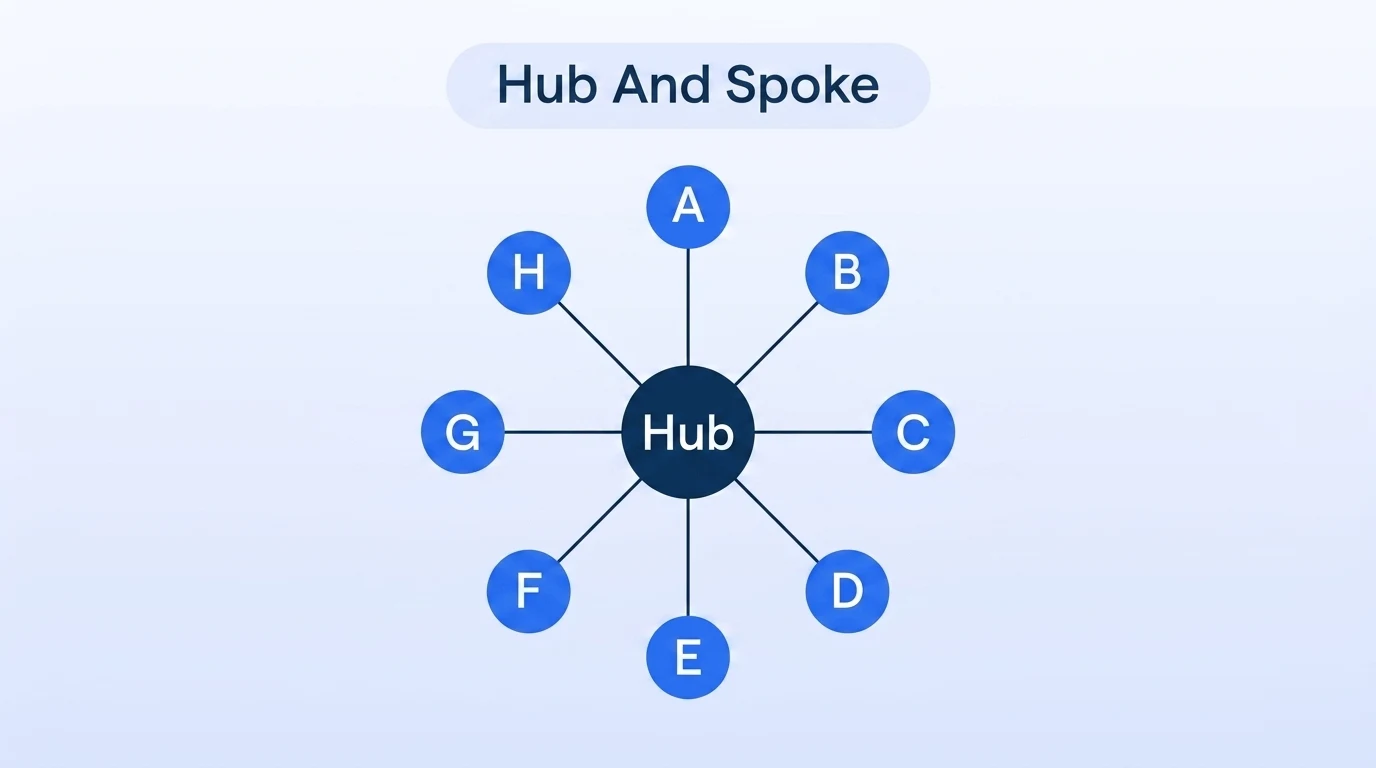
In an era dominated by distributed networks and cloud environments, this approach introduces massive latency and wastes expensive bandwidth. Modern networks require routing decisions to be made closer to the edge, utilizing internet paths securely without sacrificing performance.
Key Innovations Transforming Enterprise Routing
To address these challenges, routing technology has shifted from basic hardware packet-forwarding to software defined, intelligent systems. Here are the critical features defining modern enterprise routing.
1. Software-Defined WAN (SD-WAN) and Application-Aware Routing
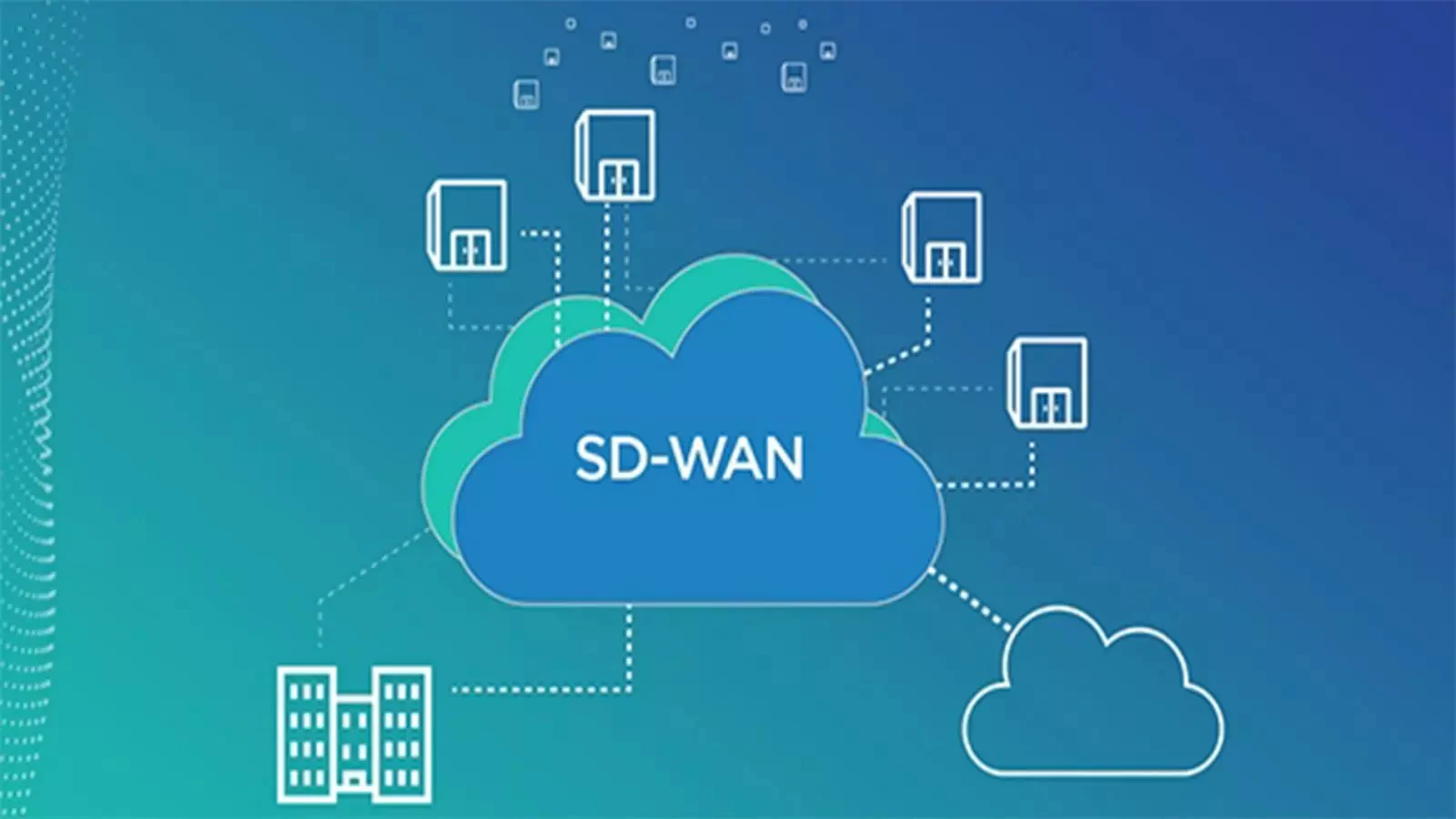
The biggest paradigm shift in routing is the separation of the control plane from the data plane via SD-WAN. Modern routers can distinguish between different types of applications dynamically.
- How it works: Instead of just looking at layer 3 boundaries, the router identifies the traffic as a video conference call (e.g., Microsoft Teams) or a bulk file backup.
- The Benefit: It measures real-time path metrics like jitter, latency, and packet loss. If the primary connection degrades, the router automatically shifts the video call to a cleaner secondary internet link while keeping the backup on the slower line, guaranteeing user experience.
2. SASE Integration (Secure Access Service Edge)
The line between routing and security has blurred completely. Modern edge routers are no longer passive entry points; they serve as the first line of defense by natively integrating with cloud-delivered security frameworks. Through features like automated IPsec tunneling to cloud security gateways, routers enforce secure direct-internet access (DIA) right at the branch edge without needing a separate standalone security appliance for basic traffic.
3. AI-Driven Predictive Telemetry
Traditional monitoring relies on SNMP polling or basic Syslog, which only tells you when an interface has already failed. Modern enterprise routers utilize streaming telemetry combined with machine learning algorithms. They analyze performance anomalies in real time, predicting circuit degradations or hardware faults before they cause an outage, allowing engineers to move from reactive troubleshooting to proactive maintenance.
My Engineering Approach: Routing as a Foundation for Security
From my perspective, routing and security cannot be treated as separate silos. You cannot build an effective next-generation firewall posture if the underlying routing infrastructure is fragile, misconfigured, or blind to application behavior.
Whether it's managing complex Network Address Translation (NAT) boundaries, optimizing routing tables for minimal convergence time, or deploying policy-based routing to segment critical traffic, the goal remains the same: building a resilient, predictable foundation.
As networks continue to scale, the engineers who stand out are those who don't just connect point A to point B, but those who design paths that are intelligent, secure, and optimized for the future of enterprise data.
Keep reading
More articles
Explore other writeups on network security, firewalls, and practical engineering.